As someone who has spent years working on kitchen decoration and makeover projects, I’ve seen how modern kitchens have evolved far beyond cooking alone.
One feature that continues to stand out in almost every renovation I plan is the eat in kitchen island. It’s practical, social, and perfectly aligned with how people actually live today.

An eat in kitchen island creates a casual dining area right where life already happens. Whether it’s quick breakfasts, kids doing homework, or friends gathering while dinner is being prepared, this setup brings people together without the formality of a separate dining room.
In this guide, I’ll walk you through 9 eat in kitchen island ideas, explain why each one works, and share real-world design insights to help you plan a kitchen that feels both functional and welcoming.
Table of Contents
- 1. Eat In Kitchen Island Ideas for Small Kitchens
- 2. Eat In Kitchen Island with Seating for Everyday Meals
- 3. Eat In Kitchen Island with Stools for Casual Dining
- 4. Modern Eat In Kitchen Island Design
- 5. Eat In Kitchen Island Layout for Open-Plan Homes
- 6. Eat In Kitchen Island with Storage
- 7. Space-Saving Eat In Kitchen Island for Apartments
- 8. Eat In Kitchen Island Dimensions and Seating Height
- 9. Budget Eat In Kitchen Island Ideas
- Final Thoughts: Why an Eat In Kitchen Island Is Worth It
1. Eat In Kitchen Island Ideas for Small Kitchens
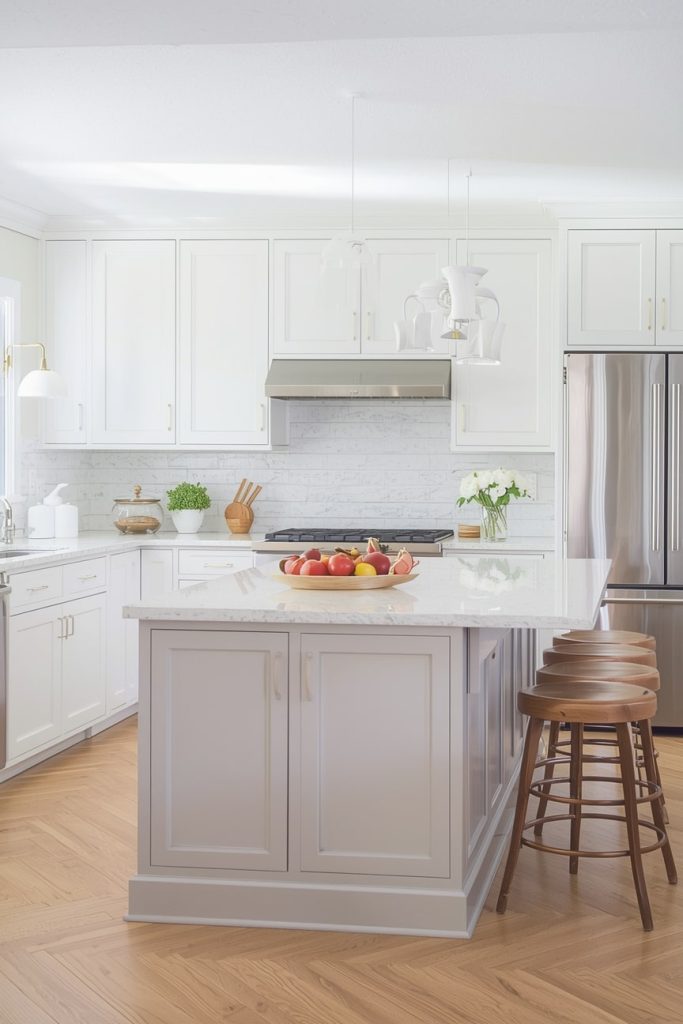
One of the biggest misconceptions I hear is that small kitchens can’t have an eat in kitchen island. From my experience, that’s not true at all—when the design is done thoughtfully.
For compact spaces, I usually recommend a narrow island with seating for two. This replaces a bulky dining table and keeps everything within reach. Choosing backless stools and a slim countertop profile makes the kitchen feel open rather than crowded.
Why this works in small kitchens:
- Eliminates the need for a separate dining area
- Improves flow and usability
- Makes the kitchen feel more intentional
An eat in kitchen island for small kitchens often adds more value than a traditional table ever could.
2. Eat In Kitchen Island with Seating for Everyday Meals

A classic eat in kitchen island with seating is designed for real, everyday use. I always prioritize comfort here because this is where people naturally gather multiple times a day.
Stools should be proportionate to the island, with enough legroom to sit comfortably. I usually advise allowing about 24 inches of width per seat to avoid crowding.
Why seating matters:
- Encourages daily use
- Supports casual dining and social interaction
- Makes the kitchen more family-friendly
This type of island often becomes the most-used “table” in the home.
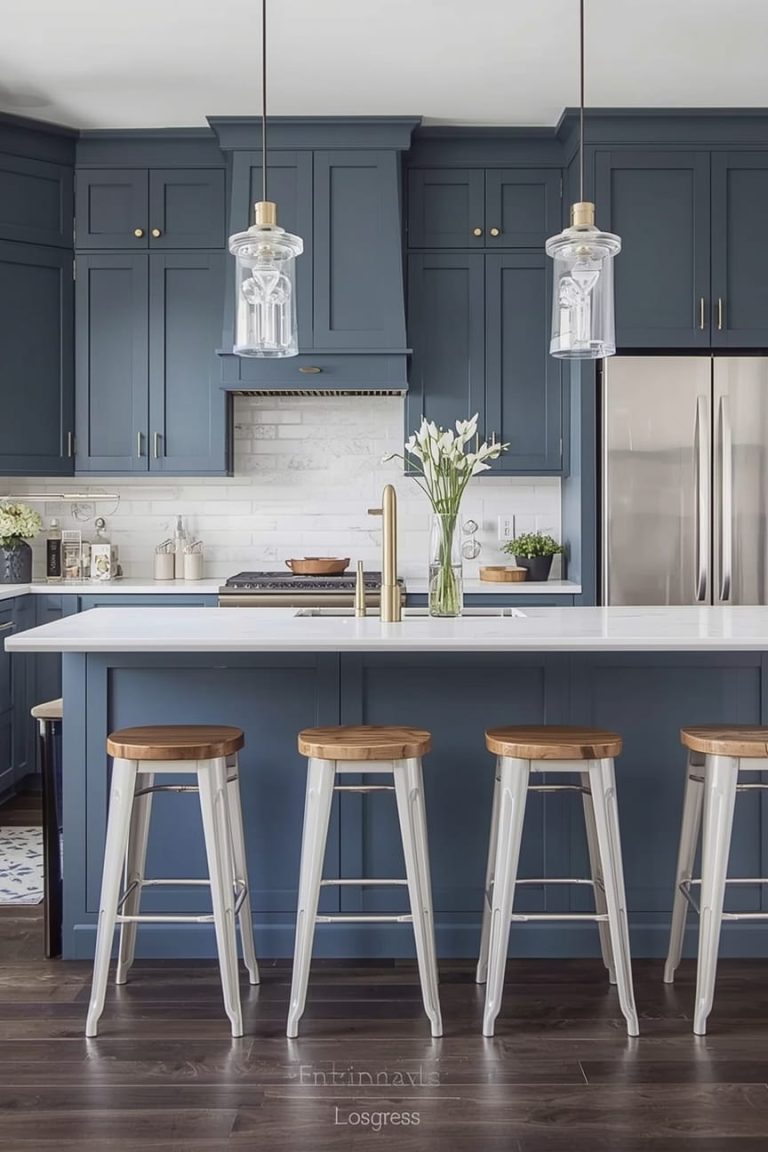
3. Eat In Kitchen Island with Stools for Casual Dining

When clients want a relaxed, café-style feel, I often suggest an eat in kitchen island with stools. This design feels informal and welcoming, perfect for quick meals or coffee breaks.
Backless stools are great for smaller kitchens, while stools with low backs offer added comfort in larger spaces. Durable, easy-to-clean materials are always a priority in kitchens used frequently.
Design tips I rely on:
- Match stool height to island seating height
- Choose finishes that complement cabinetry
- Add footrests for comfort
This setup balances function and style beautifully.
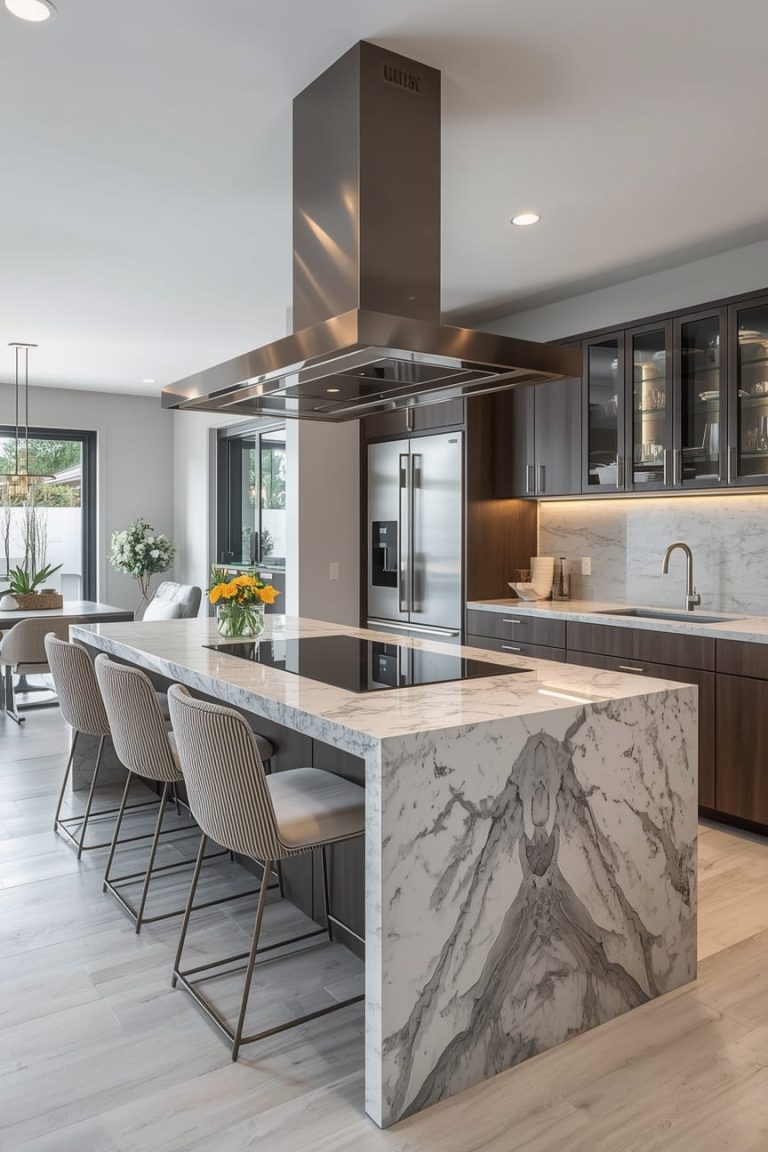
4. Modern Eat In Kitchen Island Design

A modern eat in kitchen island focuses on clean lines, minimal details, and seamless integration. In contemporary makeovers, the island often becomes the visual centerpiece.
I typically recommend neutral tones, simple silhouettes, and understated seating to keep the look cohesive. The eating area should feel like part of the design—not an add-on.
Why modern designs work so well:
- Enhance open-plan layouts
- Keep the space visually uncluttered
- Pair beautifully with modern lighting
A modern eat in kitchen island feels sophisticated without sacrificing comfort.
5. Eat In Kitchen Island Layout for Open-Plan Homes

In open-plan homes, an eat in kitchen island layout plays a crucial role in defining space. I often use the island to visually separate the kitchen from the living area while keeping everything connected.
The seating side faces outward, encouraging interaction with guests or family members in adjacent spaces. This layout naturally turns the island into a social hub.
Benefits of this layout:
- Defines zones without walls
- Encourages conversation
- Makes the kitchen feel central
It’s one of the smartest layout choices for open living spaces.
6. Eat In Kitchen Island with Storage

Functionality is everything in a kitchen, which is why I love an eat in kitchen island with storage. Beneath the seating area, I often include drawers, cabinets, or open shelving.
This extra storage can be used for cookware, small appliances, or even everyday items like placemats and napkins.
Why this design is so effective:
- Maximizes usable space
- Reduces clutter elsewhere
- Keeps essentials close at hand
It’s a practical solution that doesn’t compromise on style.
7. Space-Saving Eat In Kitchen Island for Apartments

For apartments and compact homes, a space-saving eat in kitchen island is often a game-changer. I usually recommend slim islands with seating on one side only to preserve walkways.
Some designs include fold-down or extendable surfaces, which provide flexibility without permanent bulk.
Smart space-saving features include:
- Narrow profiles
- Minimal overhangs
- Multi-purpose surfaces
This approach proves that even small apartments can enjoy eat-in kitchen living.
8. Eat In Kitchen Island Dimensions and Seating Height

One area I always pay close attention to is eat in kitchen island dimensions and seating height. Comfort depends heavily on proper measurements.
From my experience:
- Counter-height seating pairs with 24–26 inch stools
- Allow at least 24 inches per person
- Ensure enough knee and legroom
Getting these details right ensures the island is comfortable enough for daily use—not just occasional seating.
9. Budget Eat In Kitchen Island Ideas

A budget eat in kitchen island can still look polished and intentional with the right planning. I’ve helped many homeowners achieve great results by focusing on layout first and finishes second.
Simple cabinetry, affordable countertops, and basic stools can still deliver excellent functionality and visual appeal.
My budget-friendly advice:
- Prioritize function over decoration
- Choose durable, cost-effective materials
- Keep the design simple and cohesive
A well-planned budget island often performs just as well as a high-end one.
Final Thoughts: Why an Eat In Kitchen Island Is Worth It
After years of designing and remodeling kitchens, I can confidently say that an eat in kitchen island is one of the most valuable additions you can make. It blends cooking, dining, working, and socializing into one central feature that adapts to everyday life.
Whether you’re working with a small kitchen, an apartment, or an open-plan home, the right eat in kitchen island can completely transform how your kitchen looks, feels, and functions.

I’m Sloane Everly, the heart and soul behind TheTidyPorch.com, where I pour my love for home decor, interior styling, and curated living into everything I do.
I’m all about turning houses into homes that feel like you—full of warmth, character, and a little bit of magic.
My style? Think cozy charm with a splash of bold, always designed to make your space feel like a hug you never want to leave.