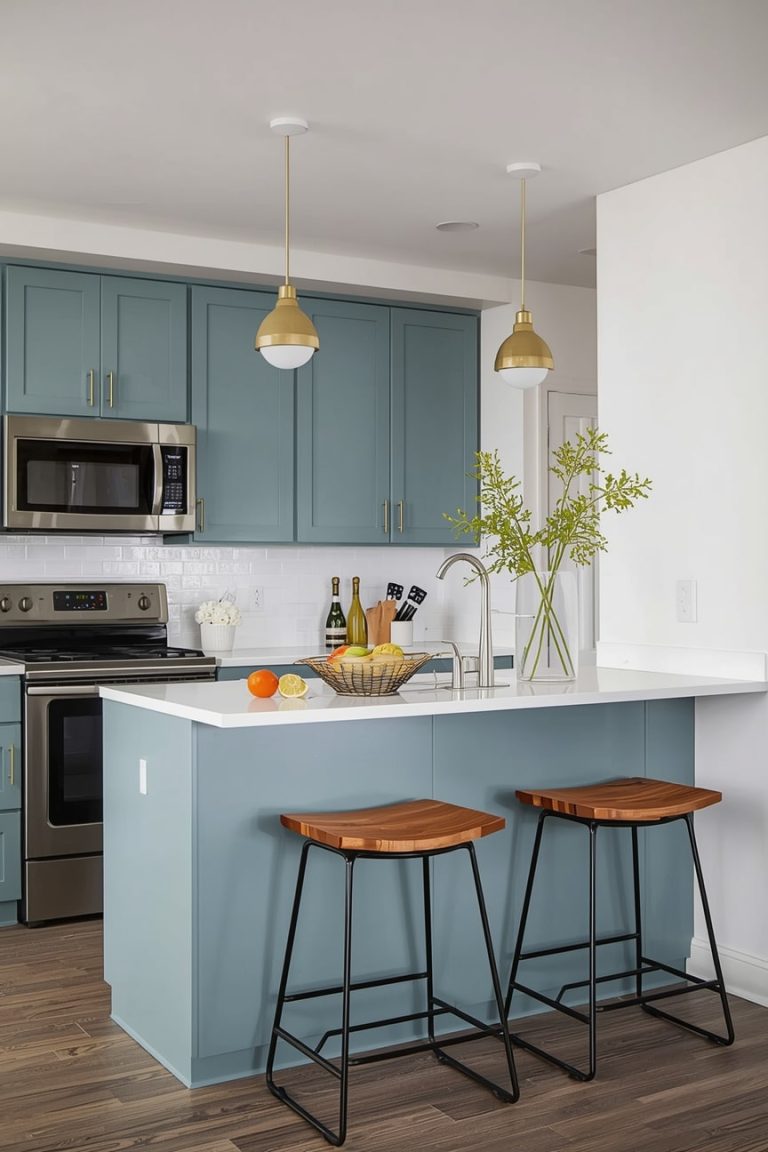
When I design or remodel a kitchen, one of the very first questions I ask is not about color or cabinets—it’s about kitchen island shape. In my experience, the shape of a kitchen island affects everything: how you move through the space, how you cook, how you entertain, and even how large or small the kitchen feels.
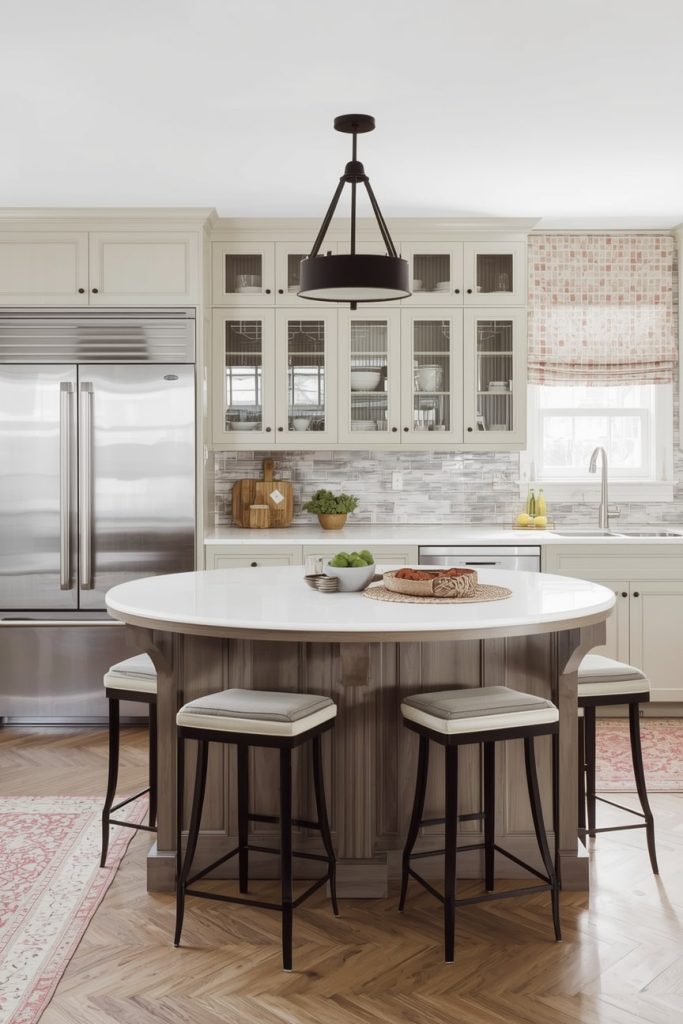
Choosing the right kitchen island shape isn’t about following trends. It’s about understanding your layout, traffic flow, storage needs, and lifestyle. A poorly chosen island can make a kitchen feel cramped, while the right one can transform it into the most functional and social space in the home.
In this guide, I’ll walk you through 7 kitchen island shapes, explaining where each works best, how to style it, and what to consider before committing. Whether you’re working with a compact layout or an open-concept floor plan, there’s a shape that fits perfectly.
Table of Contents
- 1. Rectangular Kitchen Island – The Most Versatile Shape
- 2. Square Kitchen Island – Balanced and Compact
- 3. L-Shaped Kitchen Island – Zoned and Functional
- 4. U-Shaped Kitchen Island – Maximum Workspace and Storage
- 5. Curved Kitchen Island – Soft Lines and Visual Flow
- 6. Oval or Round Kitchen Island – Ideal for Small or Social Kitchens
- 7. Freestanding Kitchen Island Shapes – Flexible and Adaptable
- How to Choose the Best Kitchen Island Shape for Your Space
- Final Thoughts: Shape Is the Foundation of a Successful Kitchen Island
1. Rectangular Kitchen Island – The Most Versatile Shape
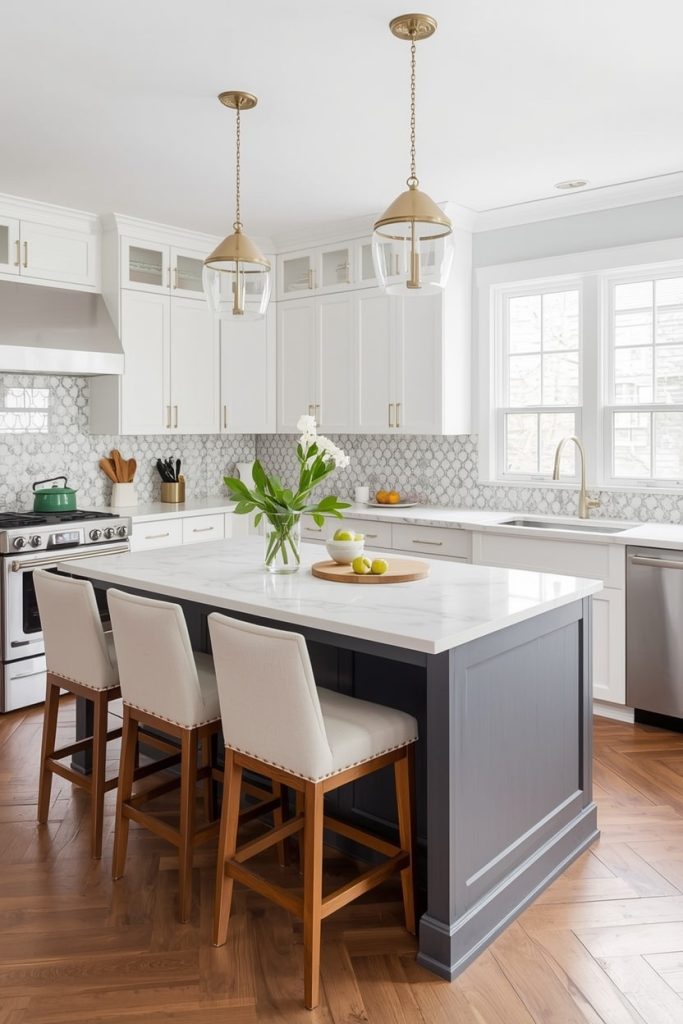
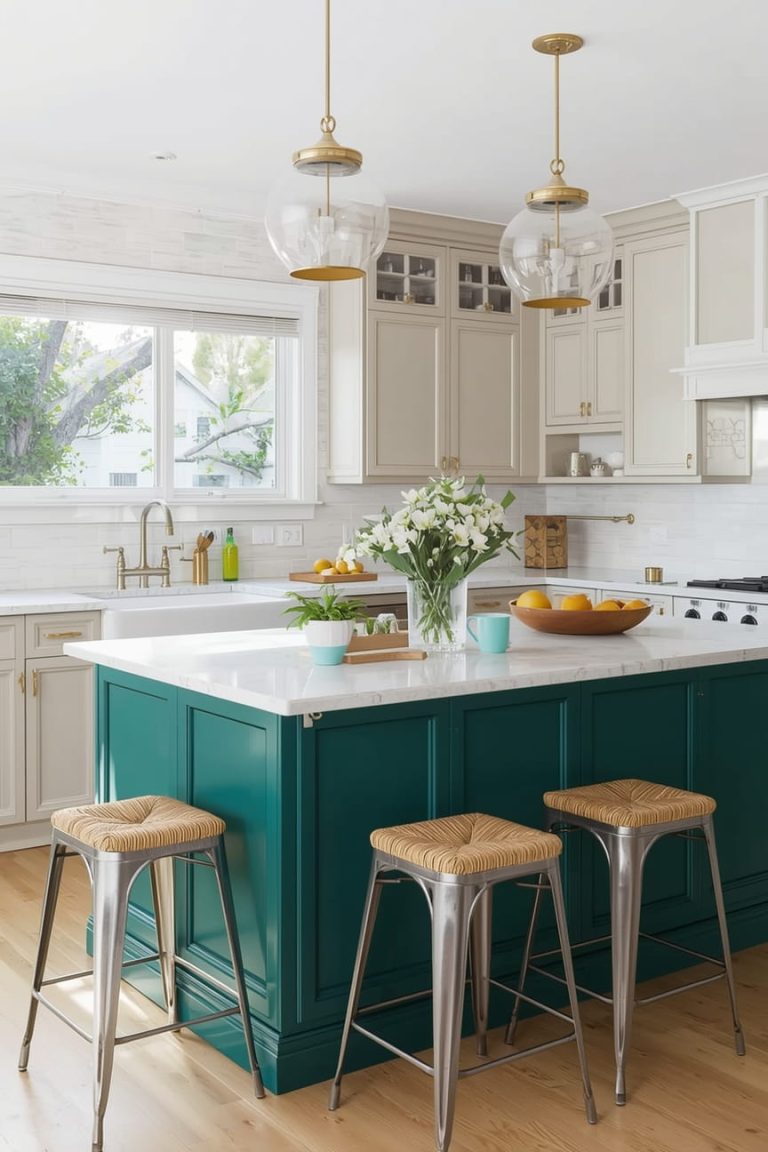
A rectangular kitchen island is by far the most popular and adaptable option, and for good reason. I often recommend this shape because it works in almost every kitchen size and layout.
This shape provides a long, uninterrupted surface that’s ideal for meal prep, baking, and serving. From a functional kitchen island design perspective, rectangles offer the most flexibility—you can add seating, appliances, storage, or even a sink without compromising workflow.
Rectangular islands are especially effective in open floor plan kitchens, where they help visually anchor the space. They also support excellent kitchen island traffic flow, allowing multiple people to work comfortably at once.
Best for:
- Open-concept kitchens
- Kitchens with enough clearance on all sides
- Homes that prioritize seating and prep space
Design tip:
If your kitchen is narrow, opt for a narrow rectangular island rather than shortening the length. This preserves functionality while keeping walkways clear.
2. Square Kitchen Island – Balanced and Compact
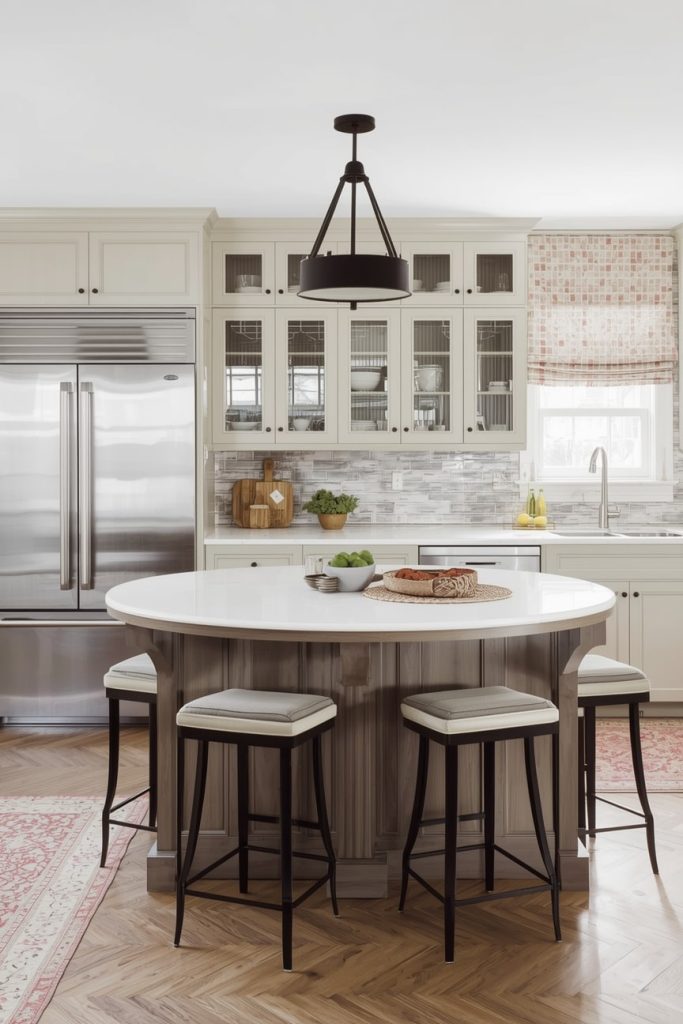
A square kitchen island is a smart solution when space is limited but you still want a central gathering point. I often use this shape in kitchens that feel boxy or symmetrical, as it reinforces balance.
Square islands work beautifully as prep stations or casual dining hubs. While they don’t offer as much linear workspace as rectangular islands, they excel at keeping everything within reach—perfect for solo cooks or smaller households.
In terms of kitchen island layout shapes, square islands are ideal when clearances are tight but you still want an island rather than a peninsula.
Best for:
- Medium to small kitchens
- Symmetrical kitchen layouts
- Kitchens without heavy seating needs
Design tip:
A square island looks best with a single statement light or compact pendant centered above it to emphasize symmetry.
3. L-Shaped Kitchen Island – Zoned and Functional
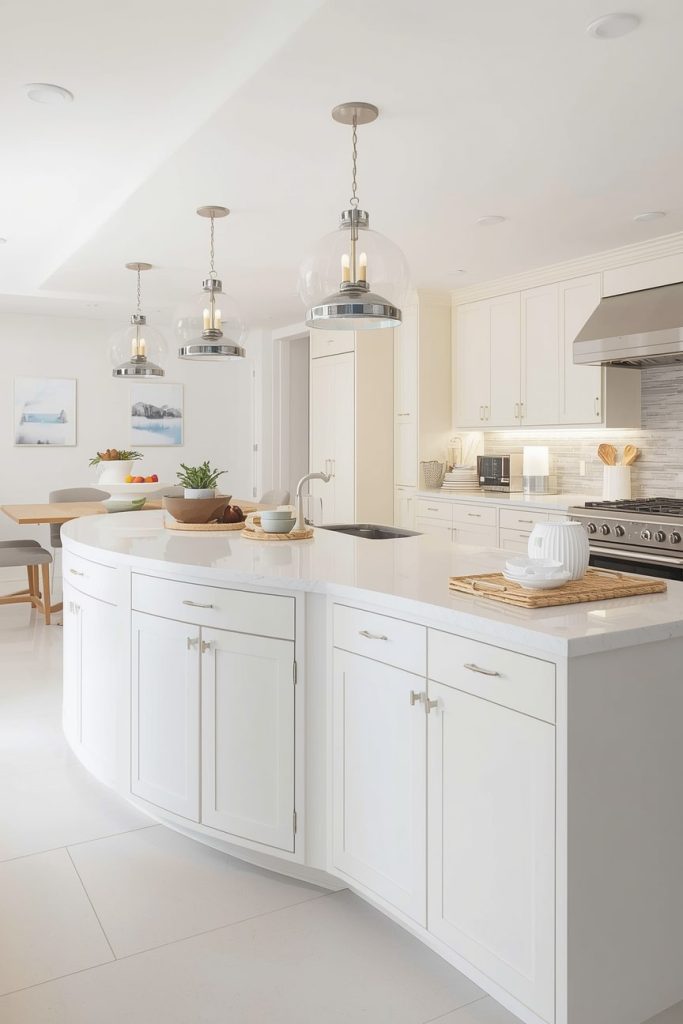
An L-shaped kitchen island is one of my favorite designs for kitchens that need zoning without walls. This shape naturally divides tasks—prep on one side, seating or serving on the other.
From a kitchen island configuration standpoint, L-shaped islands are excellent for multitasking households. They allow multiple people to use the island simultaneously without crowding, which makes them ideal for families and entertainers.
This shape works especially well in larger kitchens where you want the island to function almost like two connected stations.
Best for:
- Large kitchens
- Multi-cook households
- Kitchens that double as social spaces
Design tip:
Keep one leg of the L dedicated to seating to maintain comfortable circulation and avoid congestion near appliances.
4. U-Shaped Kitchen Island – Maximum Workspace and Storage
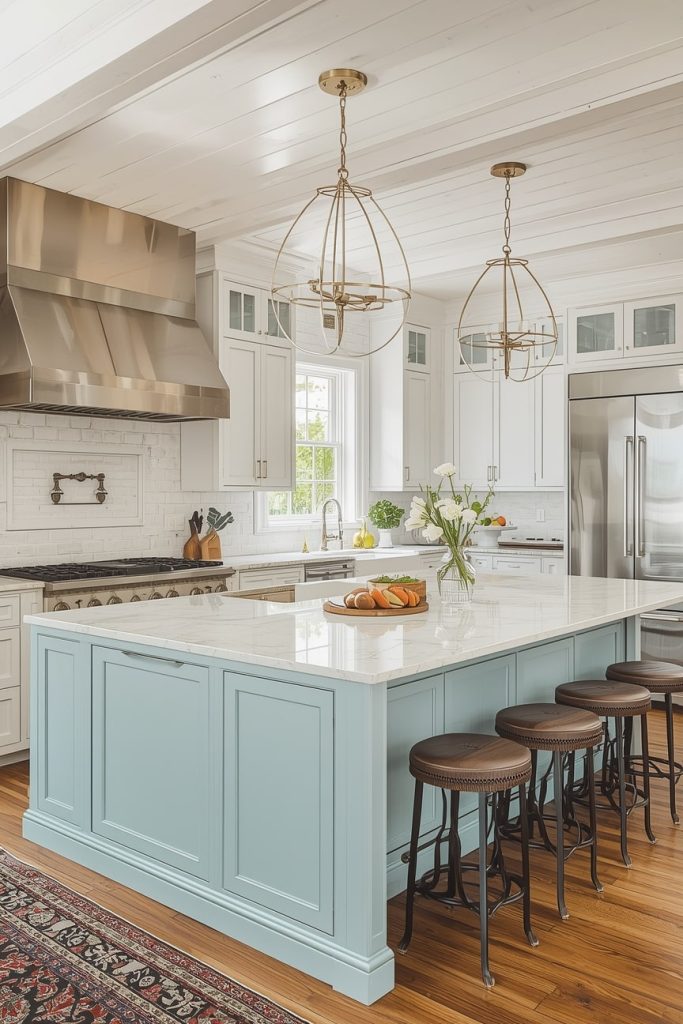
A U-shaped kitchen island is bold, functional, and highly efficient—but it requires space to work properly. I only recommend this shape when the kitchen footprint allows for generous walkways on all sides.
This shape creates a semi-enclosed workspace that’s ideal for serious cooking. It provides exceptional storage, extended countertops, and clearly defined zones for prep, cooking, and serving.
In terms of kitchen island footprint, this is one of the largest options, but it also delivers the highest level of functionality.
Best for:
- Large kitchens
- Home chefs who need extensive prep space
- Kitchens with multiple work zones
Design tip:
Avoid overloading a U-shaped island with appliances. Leave at least one side open for serving or casual seating to maintain balance.
5. Curved Kitchen Island – Soft Lines and Visual Flow
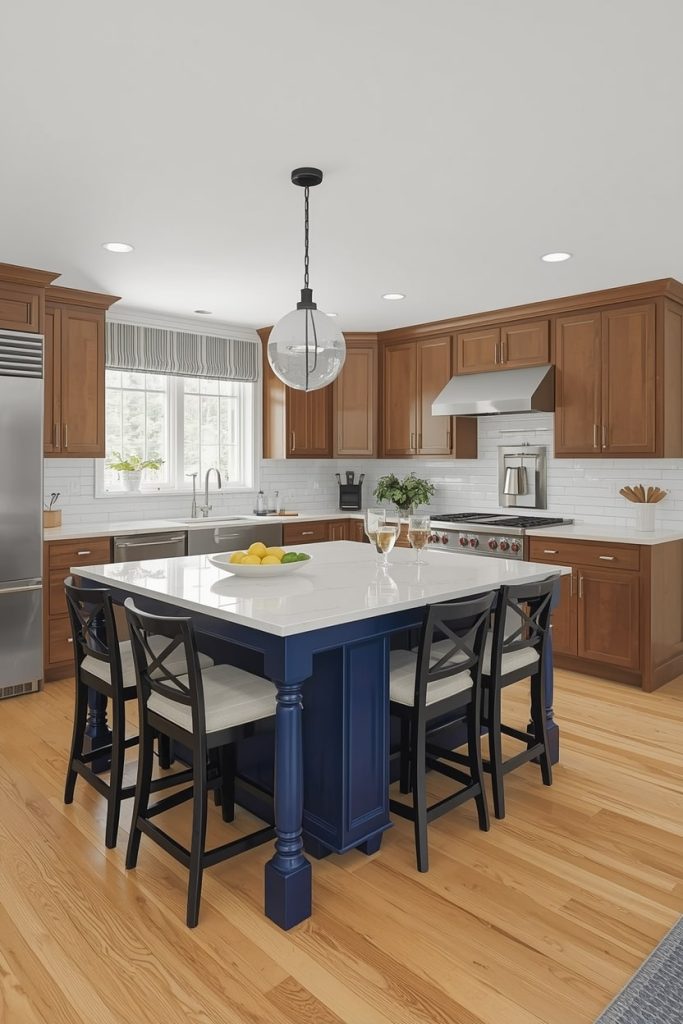
A curved kitchen island brings softness and elegance to a space that might otherwise feel rigid or overly modern. I often use this shape to improve flow in kitchens with heavy traffic.
Curved islands naturally guide movement, making them ideal for households with kids or frequent guests. They also help reduce sharp corners, which improves both safety and comfort.
From a design perspective, curved islands are visually striking and pair beautifully with contemporary or transitional kitchens.
Best for:
- Open-concept kitchens
- Homes with frequent entertaining
- Kitchens with awkward traffic patterns
Design tip:
Curved islands look stunning with waterfall countertops that follow the curve, creating a seamless, sculptural effect.
6. Oval or Round Kitchen Island – Ideal for Small or Social Kitchens
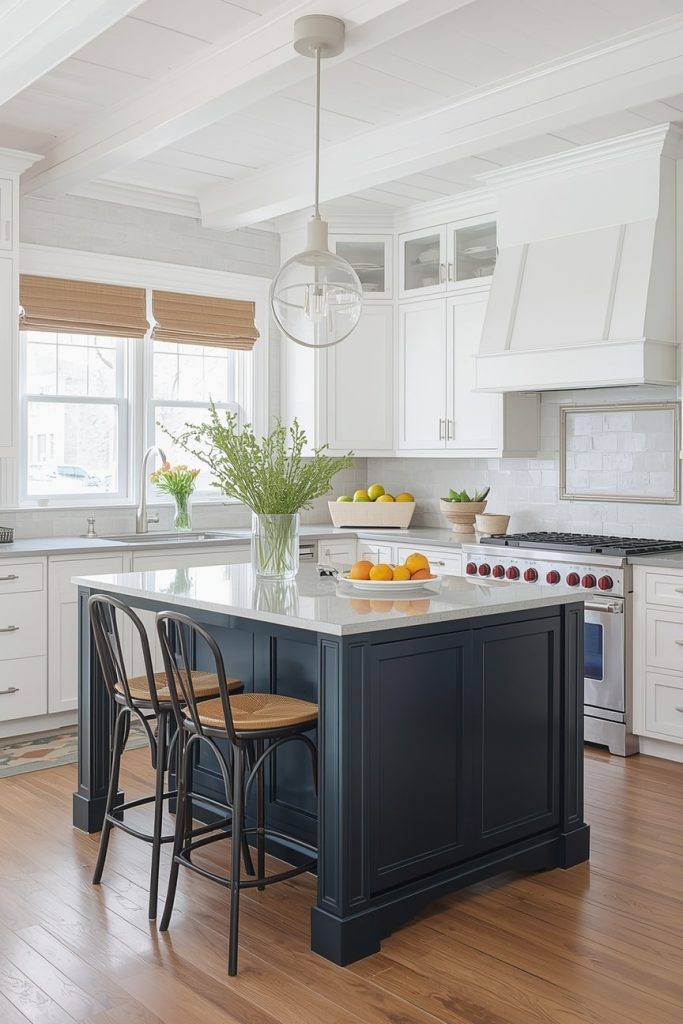
An oval or round kitchen island is often overlooked, but I’ve found it incredibly effective in certain layouts—especially where space is tight or flow is a concern.
These shapes eliminate corners entirely, making movement around the island effortless. They’re also highly social, encouraging face-to-face interaction rather than linear seating.
In small kitchen island shapes, round and oval islands can actually feel less intrusive than rectangular designs, even when countertop space is limited.
Best for:
- Small kitchens
- Social, conversation-driven spaces
- Homes prioritizing flow over storage
Design tip:
Choose built-in storage beneath a round island to compensate for the reduced surface area.
7. Freestanding Kitchen Island Shapes – Flexible and Adaptable
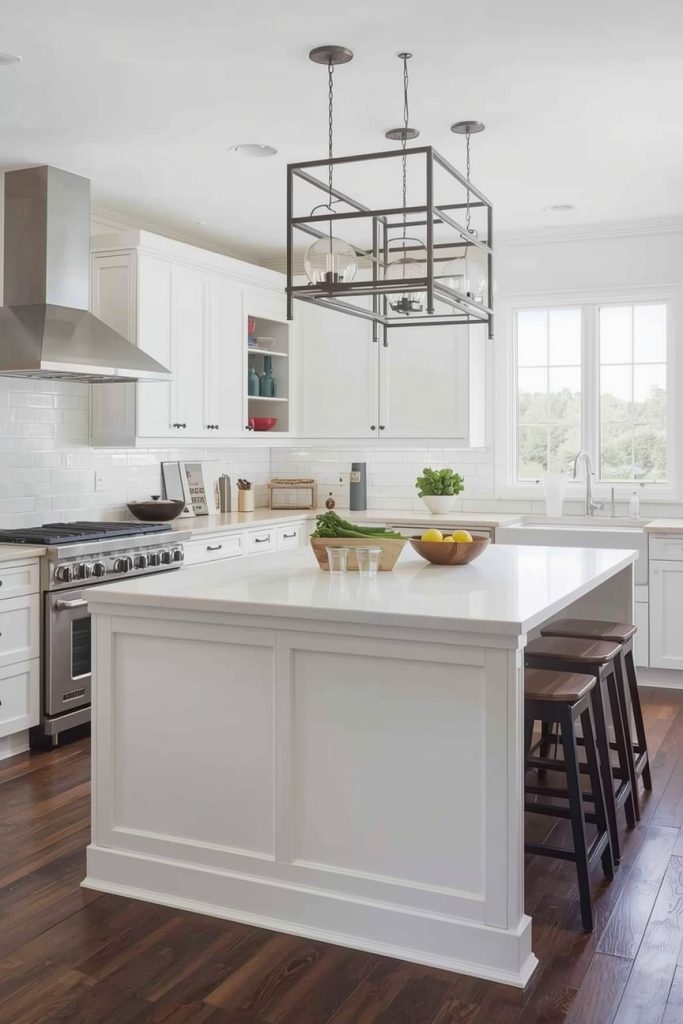
Freestanding kitchen island shapes offer unmatched flexibility. I often recommend them for homeowners who want the benefits of an island without permanent construction.
Freestanding islands come in many shapes—rectangular, square, or even curved—and can be repositioned as needs change. This makes them ideal for evolving households or kitchens that may be renovated in stages.
They’re also excellent for testing island placement before committing to a built-in design.
Best for:
- Rental homes
- Transitional kitchens
- Budget-conscious remodels
Design tip:
Choose a freestanding island with wheels that lock, giving you mobility without sacrificing stability.
How to Choose the Best Kitchen Island Shape for Your Space
When deciding on the right kitchen island shape, I always consider these key factors:
- Kitchen size and clearance – Walkways should be at least 36–42 inches wide
- Traffic flow – Avoid shapes that interrupt natural movement
- Primary use – Prep, seating, storage, or all three
- Household size – More users require more space and zones
- Overall kitchen layout – Galley, L-shaped, or open plan
The best kitchen island shape is the one that supports how you live, cook, and gather—not just what looks good in photos.
Final Thoughts: Shape Is the Foundation of a Successful Kitchen Island
In every kitchen makeover I’ve worked on, the island shape has been the foundation of the design. From rectangular kitchen islands that anchor open spaces to round islands that improve flow in small kitchens, shape determines both function and feel.
If you choose wisely, your kitchen island won’t just be another surface—it will become the heart of your home.

I’m Sloane Everly, the heart and soul behind TheTidyPorch.com, where I pour my love for home decor, interior styling, and curated living into everything I do.
I’m all about turning houses into homes that feel like you—full of warmth, character, and a little bit of magic.
My style? Think cozy charm with a splash of bold, always designed to make your space feel like a hug you never want to leave.