
Designing a small bakery kitchen layout is very different from designing a residential kitchen. In a bakery, space isn’t just about looks—it’s about workflow, safety, and productivity.
Over the years, I’ve helped home bakers, micro-bakery owners, and small shop operators turn tight spaces into efficient, compliant, and highly functional bakery kitchens.
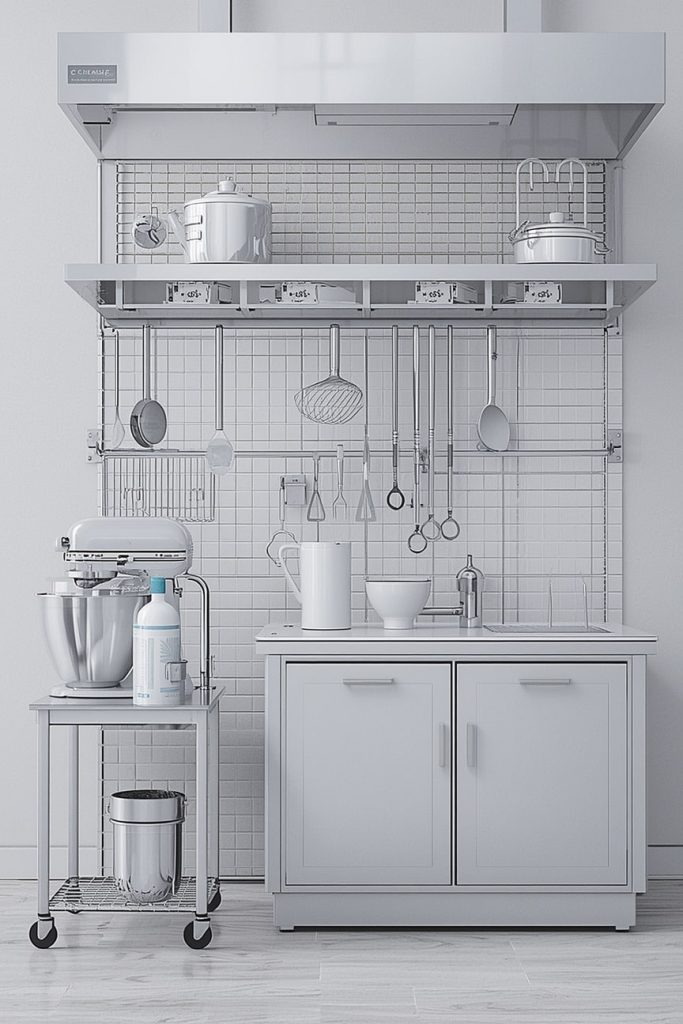
A well-planned bakery kitchen layout for small spaces ensures that every step—from mixing dough to baking, cooling, and packaging—flows smoothly.
Below, I’m sharing 9 small bakery kitchen layout ideas, each designed to improve efficiency while making the most of limited square footage.
Table of Contents
- 1. Small Commercial Bakery Kitchen Layout With Linear Workflow
- 2. Home Bakery Kitchen Layout for Small Space Efficiency
- 3. Compact Bakery Kitchen Design With Zoned Workstations
- 4. Micro Bakery Kitchen Layout With Multifunctional Equipment
- 5. Narrow Bakery Kitchen Layout for Tight Commercial Spaces
- 6. Small Bakery Kitchen Setup for Production and Packaging
- 7. Small Bakery Kitchen Organization With Vertical Storage
- 8. Bakery Kitchen Layout Ideas for Small Shop Fronts
- 9. Efficient Small Bakery Kitchen Layout for Growth
- Final Thoughts
1. Small Commercial Bakery Kitchen Layout With Linear Workflow
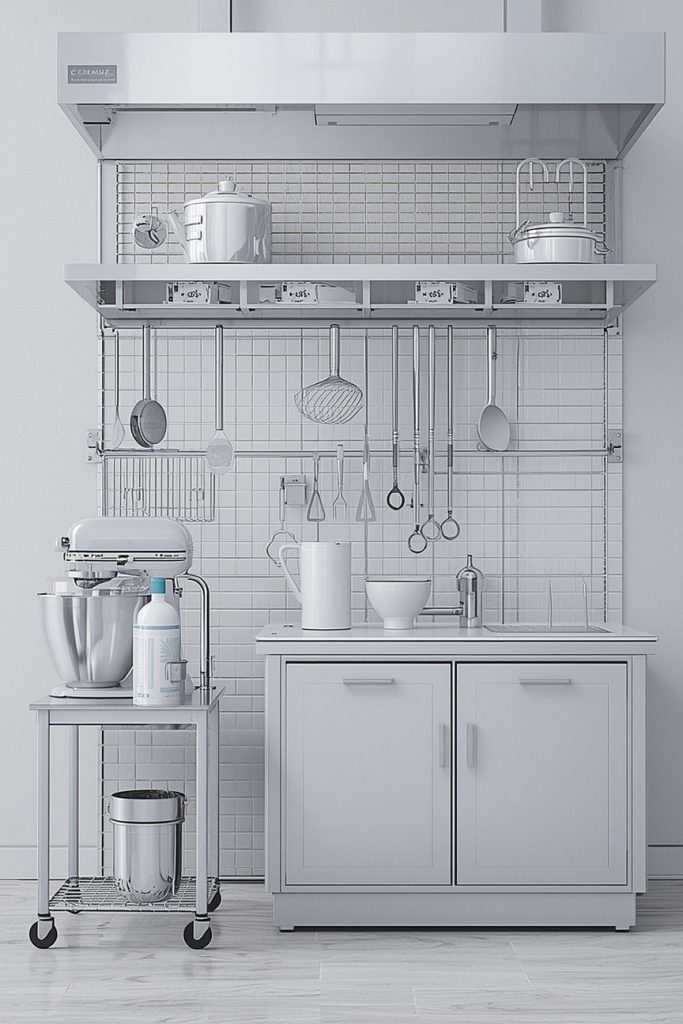
A small commercial bakery kitchen layout works best when the workflow follows a straight line. I always design these kitchens with a clear progression: ingredient storage → prep → mixing → baking → cooling.
This small bakery kitchen floor plan minimizes cross-traffic and reduces mistakes during busy production hours. Equipment like mixers and ovens are placed in sequence, allowing bakers to move efficiently without backtracking. I often recommend stainless steel work surfaces because they’re durable, easy to clean, and compliant with food safety standards.
This layout is ideal for bakeries producing consistent batches daily.
2. Home Bakery Kitchen Layout for Small Space Efficiency
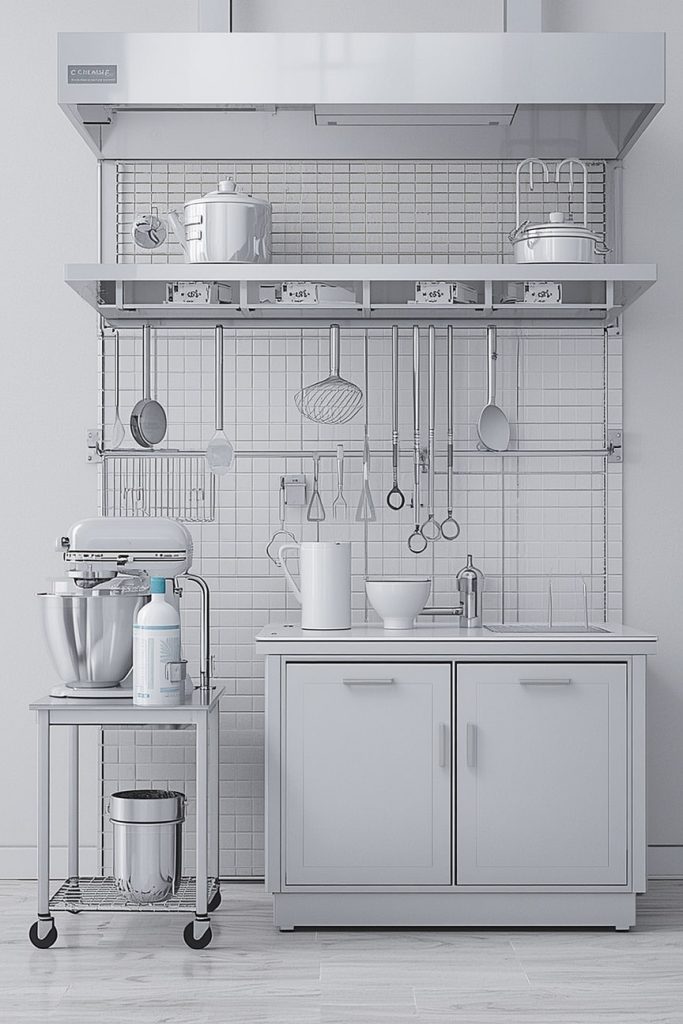
A home bakery kitchen layout must balance commercial needs with residential limitations. When working in small homes, I focus on zoning—clearly separating baking activities from everyday cooking.
In this bakery kitchen layout for small space, I dedicate one side to prep and mixing, while the other handles baking and cooling. Mobile racks and compact equipment are essential here. This layout allows home bakers to scale their business without needing a full commercial space.
Proper organization makes even a home-based bakery feel professional.
3. Compact Bakery Kitchen Design With Zoned Workstations
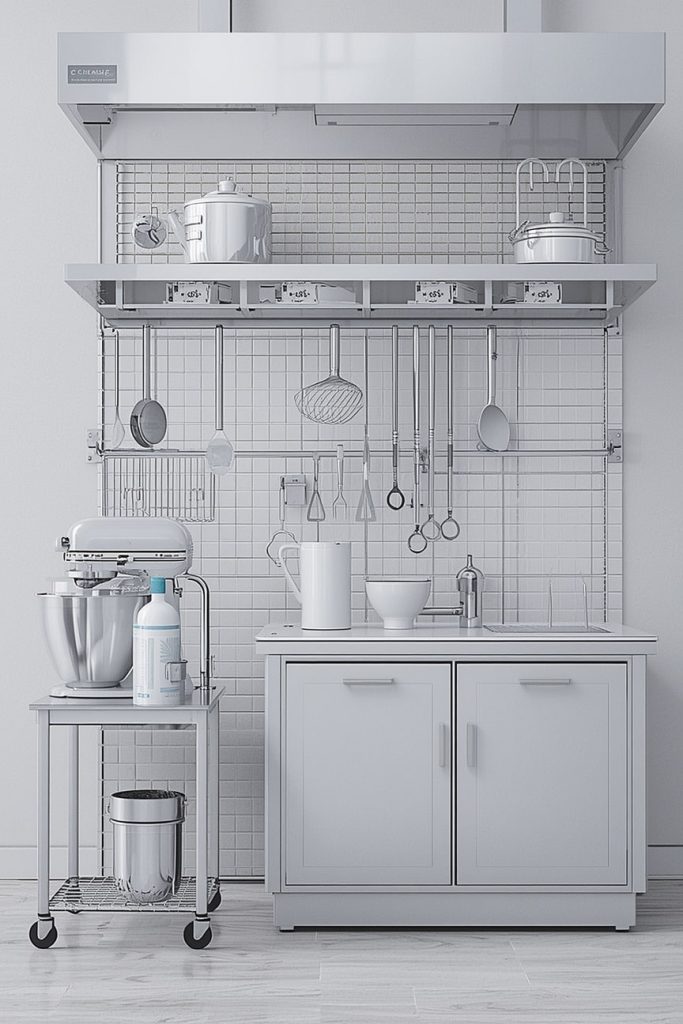
A compact bakery kitchen design benefits greatly from defined workstations. Instead of spreading tasks across the room, I assign zones: dough prep, shaping, baking, cooling, and packaging.
This small bakery workspace design keeps tools and ingredients exactly where they’re needed. For example, flour storage stays near the mixer, while packaging supplies remain close to the exit point. This setup reduces wasted movement and speeds up production.
Zoned layouts are perfect for bakeries with limited staff working simultaneously.
4. Micro Bakery Kitchen Layout With Multifunctional Equipment

A micro bakery kitchen layout thrives on flexibility. In very small spaces, I often choose multifunctional equipment—such as combination ovens or mixers with multiple attachments.
This efficient small bakery kitchen layout allows one station to serve several purposes throughout the day. Prep tables double as cooling areas, and mobile carts provide temporary workspace when needed.
For startups and pop-up bakeries, this approach keeps costs and space requirements under control.
5. Narrow Bakery Kitchen Layout for Tight Commercial Spaces
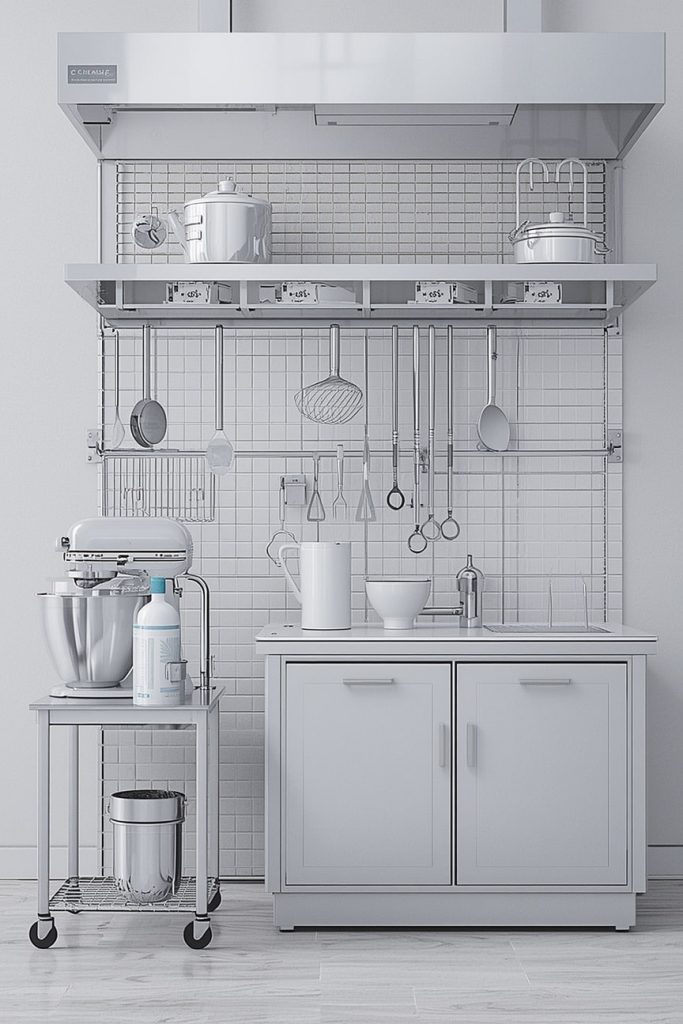
A narrow bakery kitchen layout requires careful planning to maintain safe movement. I design these spaces as galley-style kitchens with equipment placed along one or both walls.
In this bakery layout idea for a small shop, aisle width is critical. I ensure enough clearance for staff to move comfortably while carrying trays. Vertical storage plays a major role here, keeping countertops clear and reducing clutter.
With smart planning, narrow bakery kitchens can be surprisingly productive.
6. Small Bakery Kitchen Setup for Production and Packaging
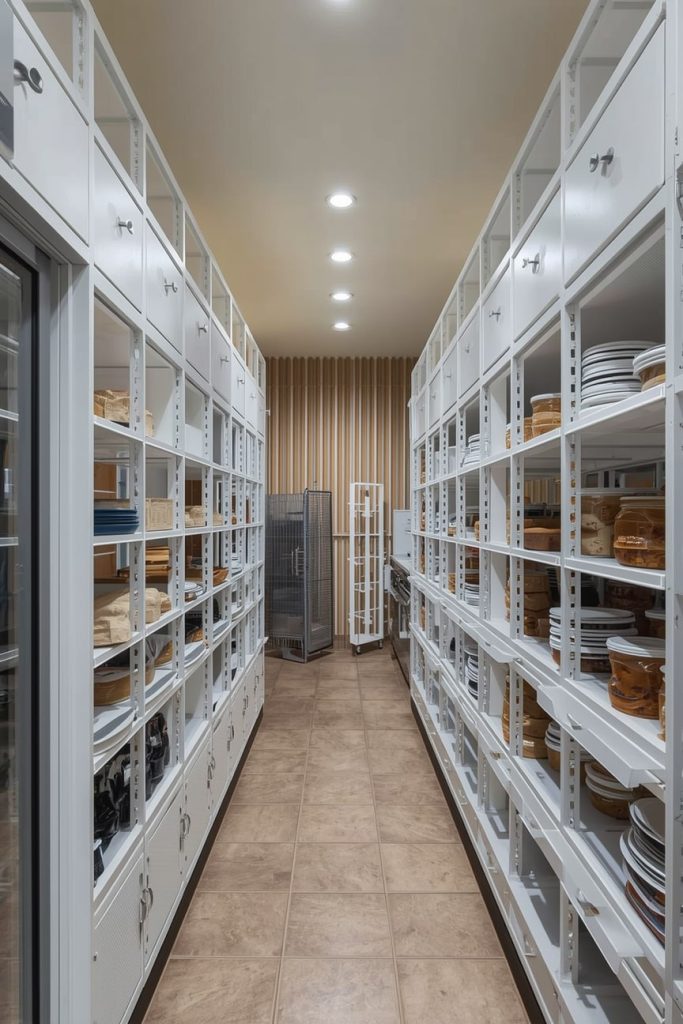
Many small bakeries struggle to find space for packaging. In this small bakery kitchen setup, I always reserve a dedicated area for cooling and packing finished goods.
This bakery production kitchen layout ensures baked items move smoothly from oven to cooling racks and then to packaging without contamination risks. Clear separation between hot and cool zones also improves food safety and efficiency.
Even a small packaging station can significantly streamline daily operations.
7. Small Bakery Kitchen Organization With Vertical Storage

Storage is often the biggest challenge in a small bakery kitchen organization plan. I rely heavily on vertical solutions—tall shelving units, wall-mounted racks, and overhead storage.
This bakery kitchen layout for small business keeps ingredients accessible without overcrowding work surfaces. Clear containers and labeled bins improve speed and accuracy during baking sessions.
Good organization isn’t just convenient—it’s essential for maintaining consistency in a bakery environment.
8. Bakery Kitchen Layout Ideas for Small Shop Fronts
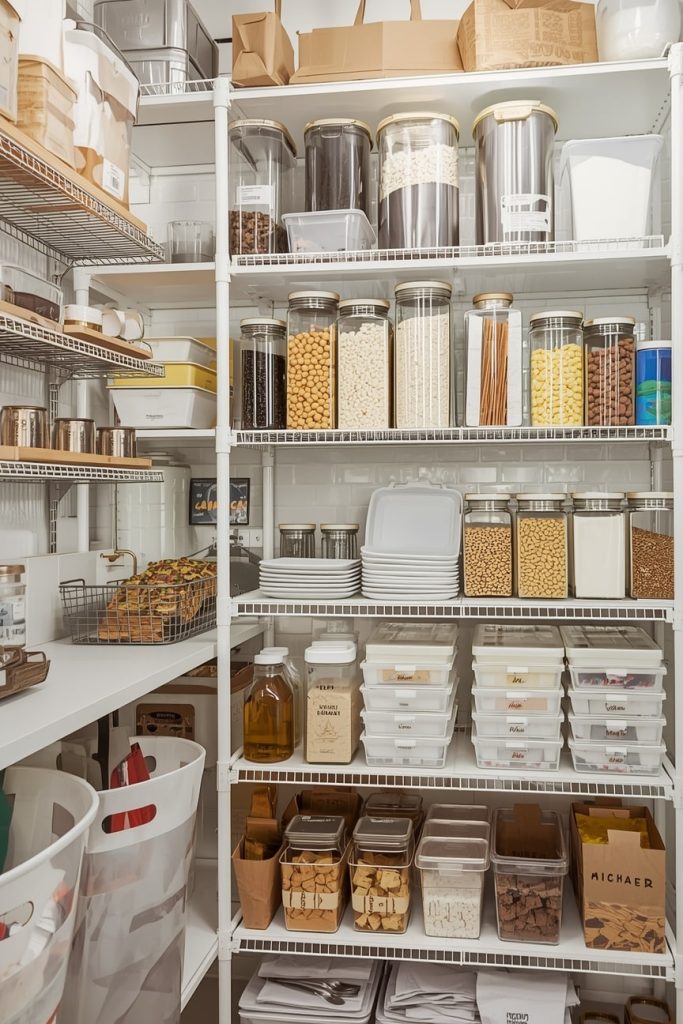
In bakeries with a storefront, the bakery layout idea for a small shop must support both production and customer interaction. I often place the baking area toward the back, with prep and packaging closer to the front.
This small bakery kitchen floor plan allows staff to restock displays quickly while keeping production areas private and efficient. Glass partitions can showcase the baking process without disrupting workflow.
This layout enhances both functionality and customer experience.
9. Efficient Small Bakery Kitchen Layout for Growth
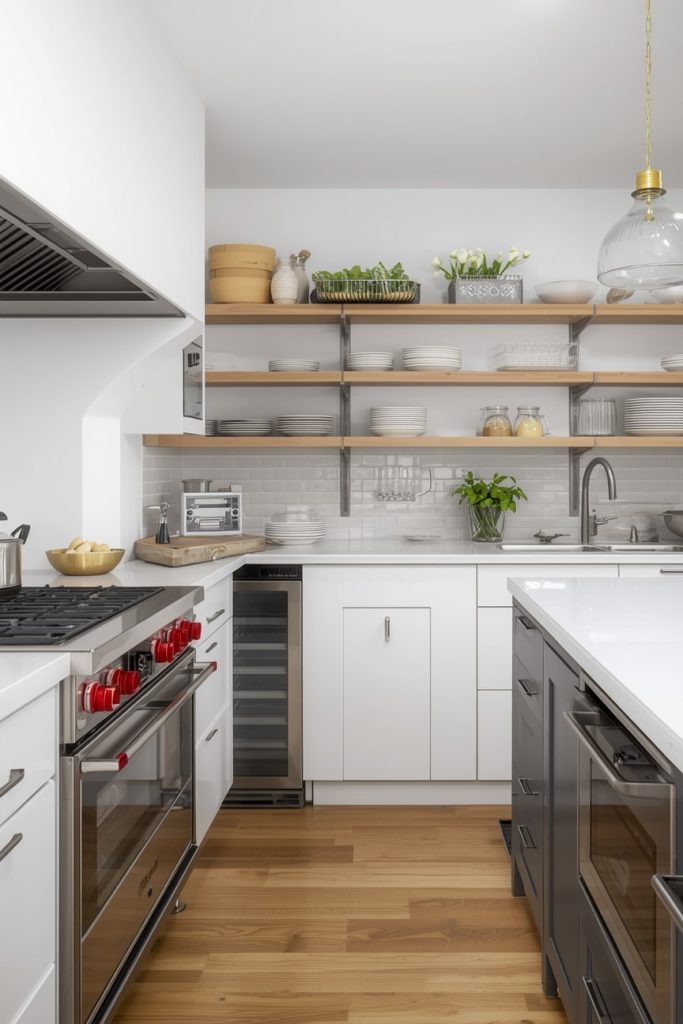
An efficient small bakery kitchen should always allow room for growth. I design layouts that can adapt—leaving space for an additional oven, mixer, or prep table when production increases.
This bakery kitchen setup for small business avoids costly redesigns later. Flexible shelving, movable equipment, and modular workstations make scaling smoother and less disruptive.
Planning for the future is one of the smartest decisions a small bakery owner can make.
Final Thoughts
Designing a small bakery kitchen layout is about more than fitting equipment into a tight room. It’s about creating a workflow that supports speed, safety, and consistency. I’ve seen small bakery kitchens outperform larger ones simply because their layout was intentional and well-organized.
Whether you’re running a home bakery or setting up a small commercial operation, the right layout can dramatically improve productivity and reduce daily stress. With thoughtful planning, even the smallest bakery kitchen can function like a professional production space.

I’m Sloane Everly, the heart and soul behind TheTidyPorch.com, where I pour my love for home decor, interior styling, and curated living into everything I do.
I’m all about turning houses into homes that feel like you—full of warmth, character, and a little bit of magic.
My style? Think cozy charm with a splash of bold, always designed to make your space feel like a hug you never want to leave.

